From 1776 to Today: Objects Transforming the Nation's Pursuit of Rights
By sonia frankel on January 28, 2026
From 1776 to Today: Objects Transforming the Nation's Pursuit of Rights
Imagine holding a handwritten document that ignited a revolution, demanding freedom and equality. The Declaration of Independence is more than just ink on parchment; it’s a symbol of a nation’s struggle for rights. Over the centuries, various objects have played pivotal roles in shaping America's journey toward justice and civil liberties. From the quill that penned revolutionary thoughts to the smartphones capturing protests, these artifacts tell stories of resilience and transformation.
Key Takeaways
- The Declaration of Independence was a radical manifesto that challenged the status quo of the British Empire in 1776.
- Objects like the Emancipation Proclamation and the Women's Suffrage Movement banners reflect significant milestones in the quest for rights.
- The Civil Rights Movement utilized everyday items like the lunch counter and the bus to symbolize resistance against racial injustice.
- Digital tools, including social media platforms, have revolutionized modern activism, amplifying voices and organizing movements.
- Artifacts in museums, such as the Smithsonian’s collection, serve as educational tools, reminding us of past struggles for rights.
- The ongoing pursuit of rights is mirrored in contemporary protests, where items like signs and protest gear become symbols of hope and change.
- Understanding these objects helps contextualize current debates on rights and freedoms in America.
The Roots of Revolution: The Declaration of Independence
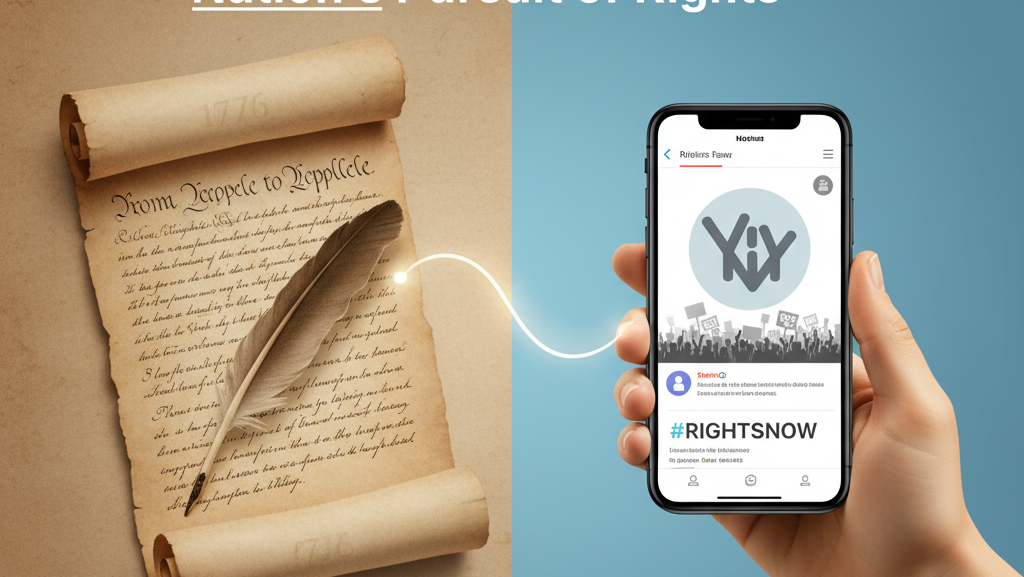
In 1776, a group of thinkers and revolutionaries penned the Declaration of Independence, a bold assertion of freedom from British rule. This document was not just a political statement; it was a manifestation of Enlightenment ideals, emphasizing liberty and the pursuit of happiness. The quill that wrote these words represents an era of change, setting the stage for future generations to advocate for their rights.
What makes the Declaration particularly compelling is its ability to resonate across centuries. Its principles inspired abolitionists, suffragettes, and civil rights activists. Each new movement drew from its essence, using it as a rallying cry to demand justice. The Declaration of Independence remains a cornerstone in the ongoing dialogue about rights in America.
Milestones in Rights: Artifacts of Change
Throughout American history, various objects have emerged as symbols of change. The Emancipation Proclamation, signed by President Abraham Lincoln in 1863, transformed the legal landscape for enslaved individuals. This document was more than a piece of paper; it represented hope and the promise of freedom. Similarly, the banners and buttons from the Women’s Suffrage Movement encapsulated the fight for women’s right to vote, showcasing the power of grassroots activism.
Artifacts from the Civil Rights Movement also hold significant weight. The lunch counter where peaceful protestors faced violence became an enduring symbol of resistance against racial segregation. Each object tells a story of struggle, perseverance, and the relentless pursuit of equality.
Digital Age: New Tools for Activism
Fast forward to today, and the landscape of activism has transformed dramatically, largely due to technology. Social media platforms like Twitter and Instagram have become essential tools for organizing protests and spreading awareness. The hashtags that trend during movements encapsulate collective sentiments, serving as digital artifacts of contemporary activism.
Consider the impact of a smartphone camera during protests. It captures not just images but also the raw emotions of a movement. The viral nature of these posts can galvanize support and bring international attention to local issues. This shift from physical artifacts to digital platforms reflects a changing dynamic in how rights are pursued and defended.
Lessons from Our Past: Museums and Memory
Museums play a crucial role in preserving the artifacts that tell our nation’s story. Institutions like the Smithsonian house collections that document the struggle for rights, offering educational resources to understand the past. These objects—whether it’s a suffragette’s banner or a civil rights leader’s speech—serve as reminders of the ongoing fight for equality.
Visiting these sites allows individuals to connect with history in a tangible way. They foster a sense of responsibility, urging us to reflect on our role in the ongoing struggle for rights. The lessons learned from these artifacts compel us to question: What can we do today to continue this pursuit?
Conclusion
As we examine the objects that have shaped America's quest for rights, we are reminded that the fight for justice is far from over. Each artifact, from the quill of 1776 to the smartphones of today, carries a legacy that calls us to action. The pursuit of rights is not just a historical narrative; it’s an evolving story that requires our engagement. So, the next time you hold a pen, take a picture, or stand up for what you believe in, remember the weight those objects carry. They are not just tools; they are instruments of change.