Revolutionary Blacks: Stories of Freeborn Soldiers in the Fight for Independence
By Roy Kaden on January 28, 2026
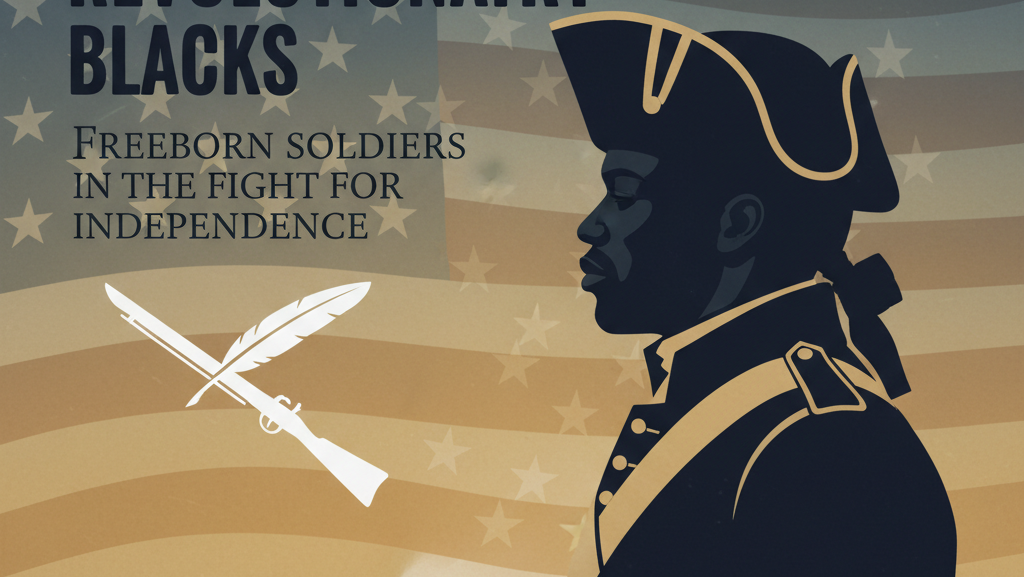
Revolutionary Blacks: Stories of Freeborn Soldiers in the Fight for Independence
Imagine standing shoulder to shoulder with fellow soldiers, all of you fighting for a cause larger than yourselves. Now, add a layer of complexity: your freedom hangs in the balance. During the American Revolutionary War, some of the most compelling stories come from freeborn Black soldiers who took up arms, risking everything for independence. Historian Shirley L. Green's work, Revolutionary Blacks: Discovering the Frank Brothers, Freeborn Men of Color, Soldiers of Independence, sheds light on these remarkable individuals.
Key Takeaways
- Freeborn Black soldiers played a crucial role in the American Revolutionary War, challenging the idea that only enslaved individuals fought for freedom.
- The Frank brothers, featured prominently in Green’s research, exemplify the contributions of freeborn men of color during the fight for independence.
- Archival research and DNA evidence provide a nuanced understanding of Black life in Revolutionary America, revealing untold stories of resilience and bravery.
- These soldiers faced not only the dangers of battle but also social and systemic obstacles linked to their racial identities.
- Many freeborn Black men enlisted for motives beyond personal freedom, including a belief in the ideals of liberty and justice for all.
- The legacy of these soldiers extends into modern times, influencing contemporary discussions on race, identity, and citizenship.
- Recognition of their sacrifices is essential for a comprehensive understanding of American history.
The Role of Freeborn Black Soldiers
The narrative of the Revolutionary War often centers on well-known figures like George Washington and Thomas Jefferson. However, the contributions of freeborn Black soldiers are equally significant yet frequently overlooked. These individuals were not merely fighting to secure their own freedom; they were part of a broader struggle for justice and equality.
Green's exploration of the Frank brothers—their lives, motivations, and sacrifices—serves as a case study for understanding the complexities of Black participation in the war. The brothers' stories reveal how freeborn men of color navigated a landscape filled with both opportunity and peril, all while striving for a notion of liberty that was often denied to them.
Archival Discoveries and Family Histories
Green's meticulous research involves delving into historical archives, conducting interviews, and utilizing DNA evidence to piece together the legacies of these soldiers. The blend of personal narratives and historical data not only humanizes these figures but also highlights the complexities of Black identities during the Revolutionary era.
For example, one surprising find relates to familial connections that span centuries, illustrating how the fight for independence affected generations. These discoveries challenge the notion that the struggle for freedom was a monolithic experience, showcasing the diverse motivations and outcomes for freeborn soldiers.
Combatting Misconceptions
One of the most pressing issues Green addresses is the misconception that only enslaved individuals were motivated to fight for their freedom. Many freeborn Black men willingly enlisted in the Continental Army, driven by a mix of ideals and a desire to secure a better future for their families. They faced unique challenges, including societal prejudice and the constant threat of being re-enslaved, yet their determination never wavered.
The stories of these soldiers remind us that the fight for independence was not solely a battle against British rule; it was also a fight against the deeply ingrained racism within American society. Each soldier’s narrative serves as a testament to the resilience and courage required to stand up for both personal and collective rights.
Legacy and Modern Reflections
The legacy of freeborn Black soldiers extends far beyond the Revolutionary War. Their contributions resonate in contemporary discussions about race, citizenship, and the ongoing struggle for equality. As America grapples with its history and the injustices that persist, the stories of these soldiers offer vital lessons about the complexities of freedom and identity.
They remind us that the quest for liberty is not just a historical footnote; it is an ongoing journey requiring diligence and commitment from all citizens. Recognizing the sacrifices made by these men is not only an act of remembrance but also a necessary step toward a more inclusive understanding of American history.
Conclusion
The stories of freeborn Black soldiers in the Revolutionary War, particularly those of the Frank brothers, challenge us to rethink our understanding of freedom and sacrifice. Their fight was not just for their own liberation but for the principles upon which the nation was founded. In acknowledging these narratives, we pave the way for a more nuanced and inclusive view of our shared history. As we continue to strive for equality, let us remember that the struggle for true independence is one that requires the voices and stories of all who fought for it.