US Strikes in Venezuela: Capture of Nicolás Maduro and Historical Parallels
By Gil Cohen on January 28, 2026
US Strikes in Venezuela: Capture of Nicolás Maduro and Historical Parallels
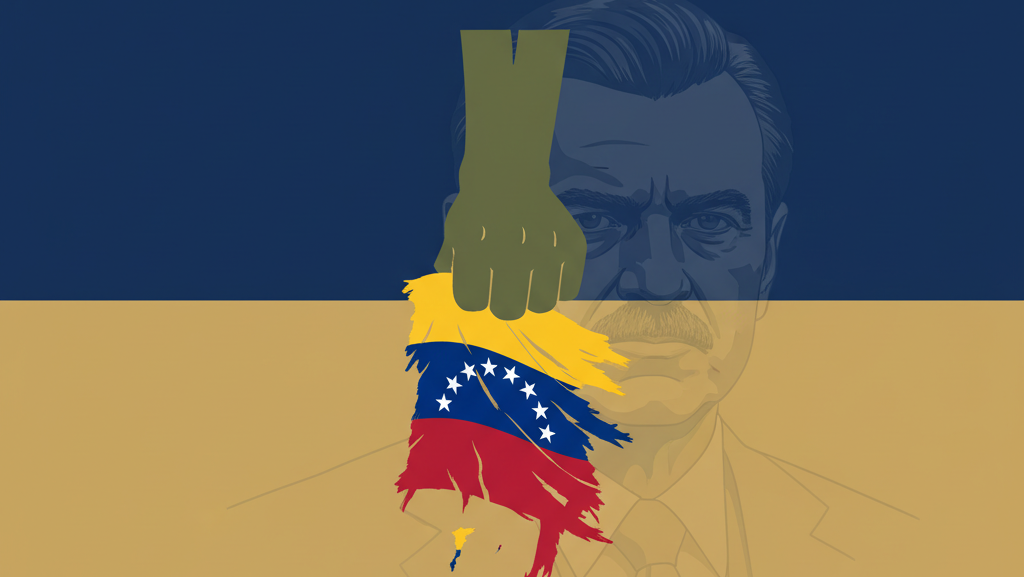
In a dramatic escalation of U.S. foreign policy, President Trump announced on January 3, 2026, a military strike aimed at the capture of Nicolás Maduro, Venezuela's controversial president. This decision marks a significant turning point in U.S.-Venezuela relations and stirs echoes of past interventions in Latin America. As the dust settles, questions arise about the implications of such military actions and the historical precedents that may shape the outcome.
Key Takeaways
- President Trump authorized military strikes against Nicolás Maduro's regime in early January 2026.
- The strikes reflect a growing dissatisfaction with Maduro's governance and the humanitarian crisis in Venezuela.
- Historical parallels can be drawn to U.S. interventions in Cuba and Chile during the 20th century.
- Congress faces the challenge of balancing national security interests with constitutional war powers.
- The international community's response to U.S. actions in Venezuela may vary, influencing future diplomatic relations.
- Venezuelan citizens remain deeply divided on the U.S. intervention, with opinions ranging from support to staunch opposition.
- The long-term effects of the strikes on Venezuela's political landscape remain uncertain.
Historical Context: A Legacy of Intervention
The U.S. has a long history of intervening in Latin America, often under the guise of promoting democracy and stability. The overthrow of Chilean President Salvador Allende in 1973 and the Bay of Pigs invasion in Cuba are just two notable examples. The justifications for these interventions often revolved around the idea of stopping communism in its tracks, which resonates with the current narrative surrounding Maduro's socialist regime.
In the case of Venezuela, the Trump administration has framed its actions as a necessary response to human rights abuses and economic mismanagement. Since Maduro came to power in 2013, Venezuela has experienced a catastrophic economic collapse, leading to widespread poverty and mass migration. This humanitarian crisis has fueled calls for U.S. intervention, but it also raises ethical questions about the sovereignty of nations and the consequences of foreign military involvement.
Congressional Considerations: War Powers in the Spotlight
The strikes against Maduro bring the War Powers Resolution back into the conversation. Passed in 1973, this legislation limits the president's ability to engage in military action without congressional approval. In June 2025, the administration reportedly briefed Republicans on the need for military action while sidestepping Democrats. This selective communication suggests a political strategy that could backfire.
Congress now faces the daunting task of addressing the legality of the strikes and the broader implications for U.S. military involvement abroad. The divide between party lines complicates the response, with some lawmakers advocating for immediate action to support Venezuelan democracy, while others caution against repeating past mistakes.
International Reactions: A Divided World
The international community's response to the U.S. strikes in Venezuela has been mixed. Allies such as Colombia and Brazil have expressed support for efforts to oust Maduro, viewing it as a necessary step to restore stability in the region. However, nations like Russia and China have condemned the strikes as an infringement on Venezuela's sovereignty, threatening to support Maduro's regime.
This divergence in international opinion creates a complex diplomatic landscape. The U.S. must navigate its relationships carefully, particularly with countries that hold significant sway over Maduro's government. The potential for escalating tensions could complicate future diplomatic efforts and international cooperation.
The Venezuelan Perspective: Voices from Within
While the U.S. strikes aim to liberate Venezuela from Maduro's grip, the opinions of Venezuelan citizens are far from unanimous. Many view U.S. intervention as a potential pathway to restoring democracy, while others fear that foreign military action could exacerbate the crisis and lead to further suffering.
Grassroots movements within Venezuela remain active, calling for political change through peaceful means. Citizens are wary of becoming pawns in a geopolitical game, and their voices must be considered in the broader discussion about the country's future.
Conclusion: A Fork in the Road
The U.S. strikes against Nicolás Maduro represent more than just a military operation; they are a pivotal moment in the fraught history of U.S.-Latin American relations. As the situation unfolds, the implications for Venezuela, the region, and U.S. foreign policy are profound and multifaceted. The challenge lies in ensuring that the pursuit of democracy does not come at the expense of sovereignty and human dignity. The world watches closely as this chapter in Venezuelan history unfolds, and the choices made today will resonate for generations to come.