How to Build an Emergency Fund Step by Step
By Joel Burns on June 25, 2026
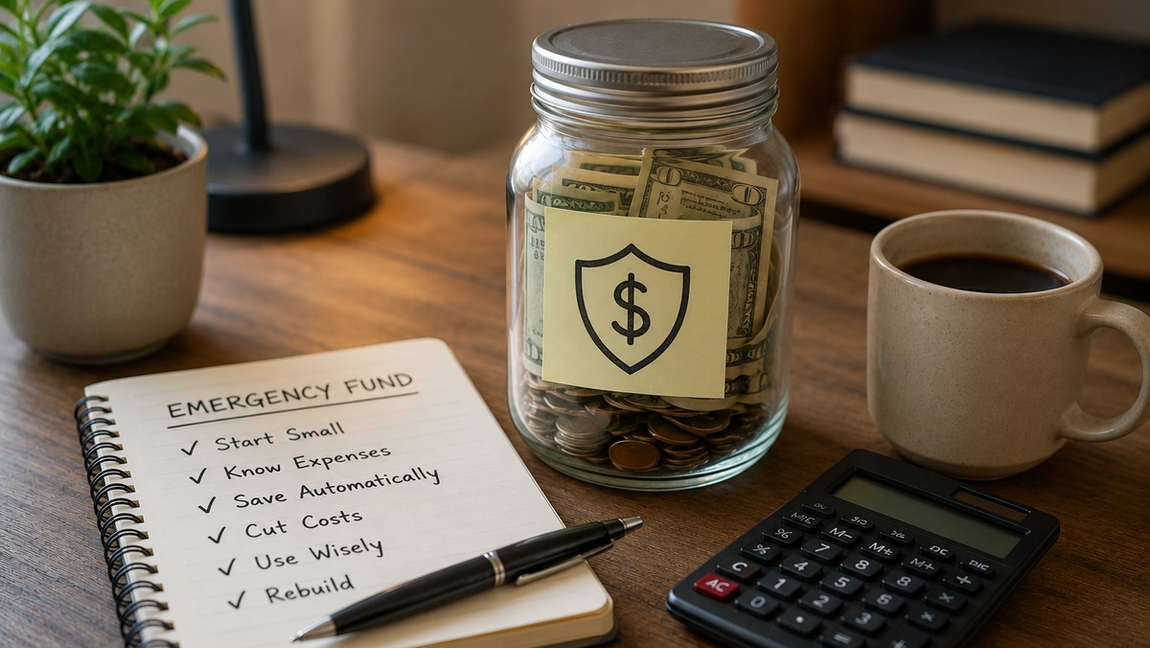
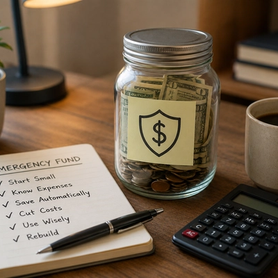
An emergency fund is money set aside for unexpected expenses. It is not for vacations, shopping, or planned purchases. It is there for moments when life becomes expensive without warning, such as a medical bill, car repair, job loss, urgent travel, or home problem.
Building one may sound difficult, especially if your budget already feels tight. But an emergency fund does not have to start big. The most important thing is to begin, stay consistent, and make the money easy to access when you truly need it.
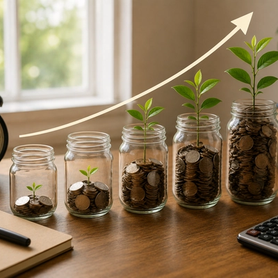
Start with a small first goal
Many financial experts recommend saving three to six months of expenses, but that number can feel overwhelming at the beginning.
Instead of focusing on the final amount right away, start with a smaller goal. For example, aim to save $250, $500, or $1,000 first.
This first milestone gives you a basic safety cushion. It can help cover smaller emergencies without needing to use a credit card or borrow money.
Once you reach your first goal, you can gradually increase it.
Know your essential monthly expenses
Before deciding how much to save, calculate your basic monthly expenses.
These are the costs you would still need to cover if your income suddenly dropped. They usually include rent or mortgage, utilities, groceries, transportation, insurance, medication, childcare, and minimum debt payments.
You do not need to include every lifestyle expense. The goal is to understand how much money you need to keep your life stable during a difficult period.
Once you know this number, you can estimate your larger emergency fund goal.
Choose where to keep the money
Your emergency fund should be easy to access, but not too easy to spend.
A separate savings account is usually a good option. It keeps the money away from your everyday checking account while still allowing you to reach it when needed.
Avoid putting your emergency fund into risky investments. The purpose of this money is safety, not high returns.
You want it available when life surprises you, even if the timing is inconvenient.
Set up automatic savings
Automation makes saving much easier.
Instead of waiting to see what is left at the end of the month, set up an automatic transfer to your emergency fund after each paycheck.
Even a small amount helps. Saving $10, $25, or $50 regularly builds the habit and creates progress over time.
The key is consistency. Small transfers may not feel impressive at first, but they add up.
Cut one or two expenses temporarily
You do not need to change your entire lifestyle to build an emergency fund.
Look for one or two expenses you can reduce for a limited time. This could mean eating out less often, pausing an unused subscription, buying fewer impulse items, or choosing lower-cost entertainment.
The goal is not to feel deprived. It is to redirect some money toward peace of mind.
Once your emergency fund is stronger, you can adjust your spending again.
Use extra money wisely
Unexpected money can help your emergency fund grow faster.
Tax refunds, work bonuses, cash gifts, freelance income, or money from selling unused items can all be used to build your savings.
You do not have to save every extra dollar, but putting a portion into your emergency fund can speed up your progress without affecting your normal monthly budget too much.
This is one of the easiest ways to make bigger jumps toward your goal.
Only use it for real emergencies
An emergency fund works only if you protect it.
Before using the money, ask yourself whether the expense is unexpected, necessary, and urgent. If the answer is yes, using the fund is exactly what it is for.
If the expense is predictable, optional, or simply something you want, it should come from another part of your budget.
This boundary helps your emergency fund stay available for the moments when you truly need it.
Rebuild it after using it
Using your emergency fund is not a failure.
In fact, that is the entire reason it exists. If you need to use part of it, focus on rebuilding it afterward.
Return to your automatic transfers, pause unnecessary spending for a while, and make replenishing the fund a priority.
The goal is not to never touch the money. The goal is to have it ready when life happens.
Build security one step at a time
An emergency fund gives you more than money. It gives you breathing room.
It can reduce stress, prevent debt, and help you make calmer decisions during difficult situations. Even a small fund can make life feel more manageable.
Start with a realistic goal, save consistently, keep the money separate, and protect it for true emergencies.
You do not need to build the full fund overnight. Step by step, small amounts can become real financial security.