How to Live Below Your Means Without Feeling Deprived
By Joel Burns on June 25, 2026

Living below your means is one of the most common pieces of financial advice you’ll hear. It’s often presented as the key to building savings, reducing stress, and creating long-term financial security.
Yet many people associate the phrase with sacrifice. They imagine saying no to every invitation, giving up small pleasures, and constantly worrying about money. It’s no surprise that many budgeting attempts fail when they feel restrictive from the start.
The truth is that living below your means doesn’t have to feel like punishment. In fact, when approached thoughtfully, it can create more freedom, flexibility, and peace of mind. The goal isn’t to spend as little as possible—it’s to spend intentionally.
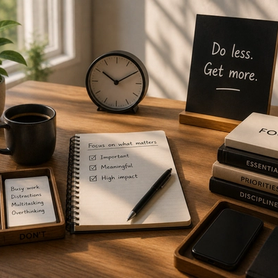
Focus on what matters most to you
One reason budgets feel restrictive is that people often try to cut spending equally across every area of life.
A better approach is to identify what genuinely brings you value and prioritize those things. Maybe you love traveling, fitness classes, good coffee, or dining out with friends. If those experiences improve your quality of life, they may deserve a place in your budget.
At the same time, there are likely other expenses that don’t add much happiness. Subscription services you rarely use, impulse purchases, or upgrades that make little difference can often be reduced without feeling like a sacrifice.
Living below your means becomes much easier when you’re spending less on things you don’t care about and more on things you do.
Avoid lifestyle inflation
One of the biggest obstacles to financial progress is lifestyle inflation.
As income increases, spending often rises alongside it. A raise at work leads to a more expensive apartment, a newer car, more frequent shopping, or additional monthly expenses. Over time, people may earn significantly more than they did years earlier while feeling no more financially secure.
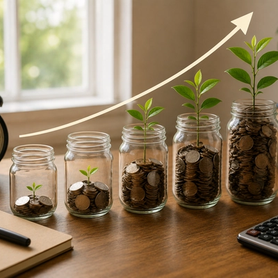
Calm financial growth usually comes from resisting the urge to upgrade everything at once.
This doesn’t mean never improving your lifestyle. It means allowing your savings and investments to grow alongside your income rather than increasing spending with every raise or bonus.
Small decisions made consistently over time often have a larger impact than dramatic budget cuts.
Learn the difference between wants and habits
Many expenses start as occasional treats and gradually become expectations.
A daily takeaway coffee, food delivery several times a week, or frequent online shopping may not seem significant individually. The issue isn’t necessarily the purchases themselves but how quickly they become automatic.
Before spending money, it can be helpful to ask whether you’re making a deliberate choice or simply following a habit.
Sometimes you’ll decide the purchase is worth it. Other times, you may realize you’re spending out of routine rather than enjoyment.
Awareness alone often leads to better financial decisions without requiring strict rules.
Find lower-cost alternatives, not total restrictions
People often assume saving money means eliminating everything enjoyable. In reality, many expenses have less expensive alternatives that provide much of the same satisfaction.
Cooking at home can replace some restaurant meals. Borrowing books from a library can reduce entertainment costs. Local day trips may offer experiences similar to more expensive vacations. Exercising outdoors can sometimes replace costly memberships.
The goal isn’t to remove enjoyment from your life. It’s to find ways to enjoy the things you value while spending less overall.
When savings come from smarter choices rather than constant self-denial, they are far easier to maintain.
Make saving automatic
One of the simplest ways to live below your means is to remove the decision-making process.
If a portion of your income is automatically transferred into savings or investments each month, you adjust to living on what’s left. Over time, this becomes your normal spending level.
Many people try to save whatever remains at the end of the month, but often very little is left. By reversing the process and saving first, financial goals become easier to achieve.
Automation also reduces the temptation to spend money that was intended for future goals.
Stop comparing your life to everyone else’s
Social media has made financial comparison easier than ever.
Every day, people see vacations, luxury purchases, renovated homes, designer clothes, and seemingly perfect lifestyles. What often remains invisible are the debts, financial stress, and trade-offs behind those images.
People who successfully live below their means tend to focus less on what others are spending and more on their own priorities.
Financial decisions become much easier when they are based on your goals rather than someone else’s highlight reel.
The less time spent comparing, the easier it becomes to appreciate what you already have.
Think of money as freedom
One of the most powerful mindset shifts is viewing money not as something to spend but as something that creates options.
Savings can provide flexibility during emergencies, freedom to change careers, the ability to take time off, or opportunities that may arise in the future. Financial security often reduces stress in ways that are difficult to appreciate until it’s needed.
Living below your means isn’t about depriving yourself today for some distant future. It’s about creating a life where you’re less dependent on every paycheck and more able to make choices based on what matters to you.
When you see money as a tool for freedom rather than a tool for consumption, saving becomes much more rewarding.
Build a life you don’t need to overspend to enjoy
The most sustainable financial habits are the ones that still allow room for enjoyment.
Living below your means doesn’t require extreme frugality, constant sacrifice, or saying no to everything you love. It simply means spending less than you earn while being intentional about where your money goes.
By focusing on what truly matters, avoiding unnecessary upgrades, automating savings, and resisting comparison, you can build financial security without feeling deprived.
In the long run, the goal isn’t just to spend less. It’s to create a life that feels rich in the ways that matter most—while giving yourself the financial stability to enjoy it.