The Shows That Hold Up Years After They Ended
By Joel Burns on June 25, 2026
Most television shows are popular for a moment and then slowly fade from public conversation. A few years after they end, they feel tied to a specific era, and new audiences rarely seek them out.
But some shows are different.
They remain entertaining, relevant, and surprisingly fresh long after their finales. New viewers discover them years later, while longtime fans continue to revisit favorite episodes. These series often succeed because they focus on timeless storytelling, memorable characters, and universal themes rather than short-lived trends.
While every viewer will have their own favorites, these are some of the shows that continue to hold up remarkably well.
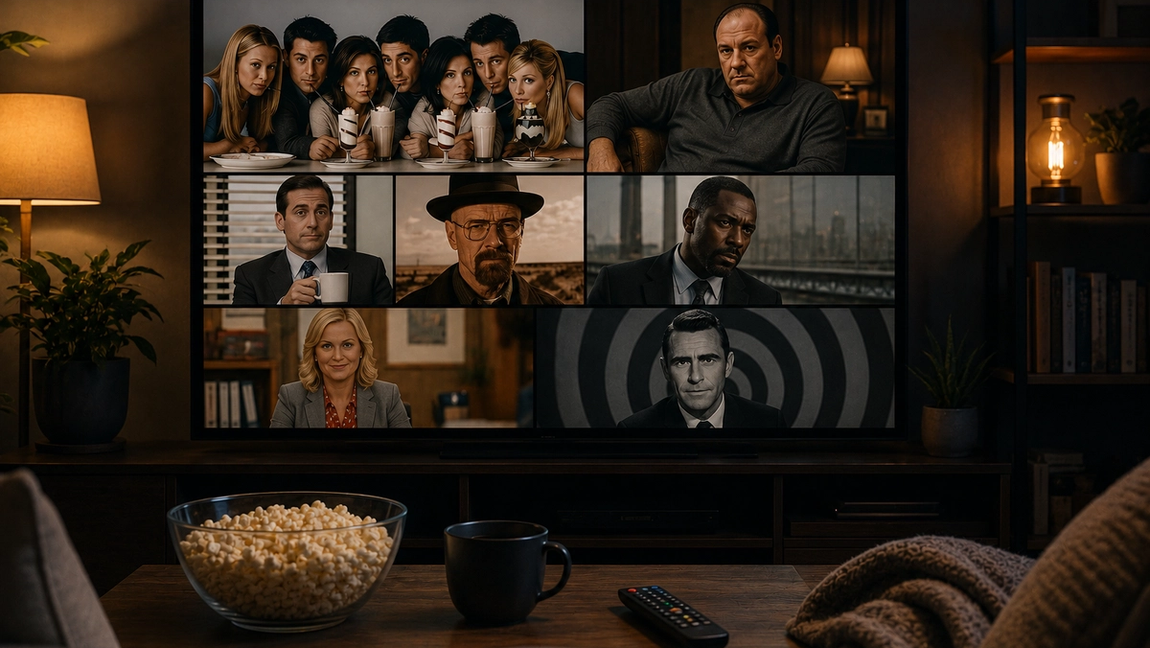
Friends (1994–2004)
Friends is one of the most rewatched television shows in history.
The premise is simple: six friends navigating work, relationships, and adulthood in New York City. Yet the show’s humor, chemistry, and relatable situations continue to resonate with audiences decades later.
While some cultural references feel dated, the core themes of friendship, love, and finding your place in life remain timeless.
The fact that younger generations continue to discover and enjoy the show says a great deal about its staying power.
The Sopranos (1999–2007)
Many critics consider The Sopranos one of the greatest television dramas ever made.
What makes it hold up so well isn’t just its crime story. The series explores family dynamics, mental health, identity, and morality with a depth that still feels modern.
Its influence can be seen in many of the prestige dramas that followed.
Even years after its conclusion, discussions about its characters and ending continue among fans and critics alike.
The Office (U.S.) (2005–2013)
Workplaces change, technology evolves, and office culture shifts, yet The Office remains remarkably watchable.
The mockumentary style feels natural even today, and many of the show’s funniest moments come from universal workplace experiences rather than specific cultural references.
Characters such as Michael Scott remain iconic because they feel both absurd and strangely familiar.
Its combination of humor, awkwardness, and heart continues to attract new viewers years after it ended.
Breaking Bad (2008–2013)
Few shows maintain their quality as consistently as Breaking Bad.
The story of a chemistry teacher turned drug manufacturer remains one of television’s most compelling character transformations. Strong writing, memorable performances, and careful pacing have helped the series age exceptionally well.
Unlike some shows that rely heavily on contemporary trends, Breaking Bad succeeds because its central themes—ambition, pride, consequences, and family—are timeless.
Many viewers still consider it one of the best television series ever produced.
The Wire (2002–2008)
The Wire often appears on lists of the greatest television shows of all time.
What makes it remarkable is its exploration of institutions rather than individuals alone. The series examines policing, education, politics, media, and social inequality through interconnected stories.
Many of the issues it explores remain relevant today, which is one reason the show feels surprisingly current despite ending years ago.
Its realism and complexity continue to earn admiration from new audiences.
Parks and Recreation (2009–2015)
While many comedies rely heavily on current events or pop culture references, Parks and Recreation succeeds through optimism and character-driven humor.
The show’s warmth helps it age particularly well. At its core, it is about people trying to improve their communities while supporting one another.
In a television landscape often dominated by cynicism, that positivity continues to feel refreshing.
Many viewers return to it repeatedly because it remains both funny and comforting.
The Twilight Zone (1959–1964)
The fact that The Twilight Zone still feels relevant more than half a century later is remarkable.
Its stories explore fear, technology, prejudice, conformity, and human nature through science fiction and fantasy. Many episodes remain surprisingly effective because the underlying themes are universal.
Modern television owes a significant debt to the storytelling techniques pioneered by this series.
Its influence can still be seen across countless contemporary shows.
Why some shows age better than others
Television shows often become dated when they rely too heavily on trends, technology, or cultural moments that quickly fade.
The shows that endure usually focus on something deeper.
They tell strong stories, create memorable characters, and explore experiences that remain relatable regardless of when they are watched. Friendship, ambition, family, love, fear, humor, and personal growth don’t become outdated.
As a result, these series continue to connect with audiences long after their original broadcasts.
Great storytelling never really expires
Technology changes. Viewing habits evolve. Trends come and go.
Yet truly great television continues to find audiences because good storytelling remains timeless. A well-written character, a compelling conflict, or an unforgettable scene can feel just as powerful decades later as it did when it first aired.
The shows that hold up years after they ended remind us that while television constantly changes, the best stories don’t lose their ability to entertain, challenge, and inspire.
And that’s why people keep coming back to them, generation after generation.